Taking a bus in Seoul for the first time can feel a little confusing. There are different bus colors, different types of buses, and many bus stops with similar names. Compared with the subway, you may also find that there is less English information available.
However, once you understand how the bus system works, buses can actually be even more convenient than the subway in some situations.
In this guide, I’ll explain how to use buses in Seoul step by step, including transfers and a few practical tips that I personally use while living in Seoul.
Step 1. Find the Right Bus to Your Destination
When getting around Korea, Naver Map or Kakao Map can often be more convenient than Google Maps for finding public transportation routes.
I’ve also written a separate guide about which map app is best to use in Korea, so it may be helpful to read that as well.
First, enter your starting point and destination into the map app. It will show you which buses can take you there.
You can check which bus is arriving soonest, where your boarding stop is, and how many stops you need to travel before getting off.
Using a map app makes this much easier, especially if you are not familiar with Seoul’s bus routes.
Step 2. Understand the Bus Colors
| Bus | Main Use |
| Blue Bus | Longer routes connecting different parts of Seoul |
| Green Bus | Shorter routes, often connecting neighborhoods to subway stations |
| Yellow Bus | Circulation routes in certain areas |
| Red Bus | Longer-distance buses connecting Seoul and nearby cities |
If you are visiting Seoul, you do not need to memorize every bus color or bus type.
It is enough to have a general idea that different colors are used for different types of routes, such as buses that travel within Seoul and buses that travel longer distances.
For most travelers, it is much easier to simply follow the bus number shown in your map app rather than choosing a bus based on its color.
Step 3. Find the Correct Bus Stop
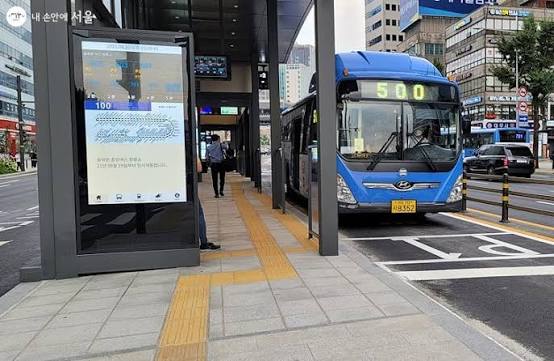
Bus stops in Seoul can sometimes have the exact same name.
For example, there may be two bus stops called “Jonggak Station,” but they are located on opposite sides of the road and serve buses traveling in different directions.
Because of this, it is important to make sure you are waiting at the correct stop.
Each bus stop has its own unique stop number, but checking these numbers can sometimes feel a little complicated.
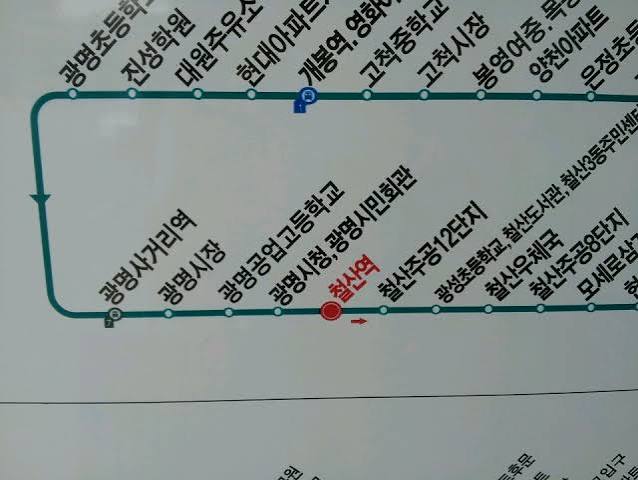
A simpler way is to use your map app to check the location of the next stop and then look at the route information displayed at the bus stop.
The bus route sign usually shows the direction of travel, making it easier to confirm that you are standing at the correct stop.
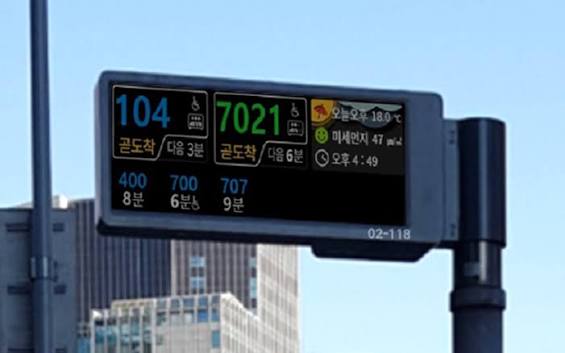
Another useful tip is to compare the estimated arrival time shown in your map app with the arrival time displayed at the bus stop. If they are very different, it is worth checking again to make sure you are at the right stop.
Step 4. How to Get on the Bus
In Seoul, passengers normally board the bus through the front door.
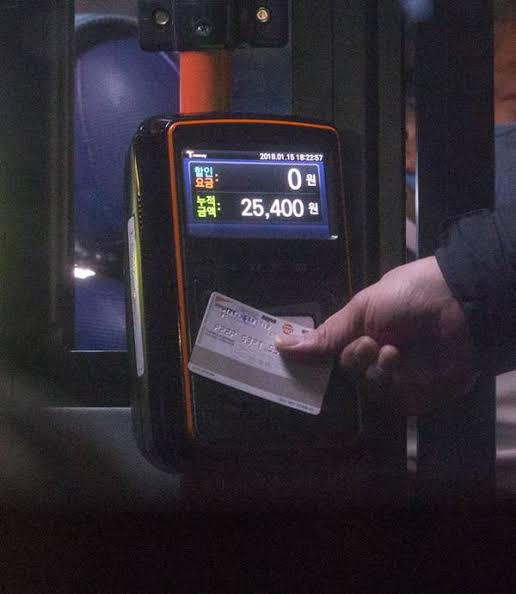
After getting on, tap your transportation card on the card reader near the entrance.
If you hear a short beep, see a green light, and the fare appears on the screen, your card has been successfully scanned.
Most buses in Seoul are now cashless or rarely use cash, so it is much more convenient to prepare a transportation card in advance.
If you are unsure whether the bus is going in the right direction, you can also ask the driver before getting on.
Step 5. The Most Important Thing Before Getting Off
As you get closer to your destination, listen for the announcement for the next stop or keep an eye on your map app.
Before getting off, make sure to press one of the red STOP buttons inside the bus.
It is best to press the button after the bus leaves the stop before your destination.
This lets the driver know that someone wants to get off at the next stop.
Step 6. Do I Need to Tap My Card When Getting Off?
Yes. I strongly recommend tapping your transportation card when you get off the bus.
The main reason is that Seoul’s public transportation transfer system uses your tap-out information.
If you transfer to another bus or the subway within the allowed transfer time, you may receive a transfer discount instead of paying the full base fare again.
Tapping your card when getting off also allows the system to recognize where your trip ended and calculate the correct fare.
So the easiest rule to remember is:
Tap your card when you get on, and tap it again when you get off.
Step 7. Transferring from a Bus to the Subway
After getting off the bus, go to the subway station and tap the same transportation card at the subway gate.
If you tapped your card correctly when leaving the bus and your transfer qualifies under Seoul’s transfer system, the fare will be calculated as a transfer rather than as a completely separate trip.
I’ll explain Seoul’s transfer system in more detail in another guide.
One important thing to remember is that you must use the same transportation card for both the bus and the subway.
I also have a separate guide on how to use the Seoul subway, which may be helpful if you are using both buses and subways during your trip.
Local Tips
- If you are getting off at a busy stop, it is helpful to get ready a little before the bus arrives.
- Priority seats for elderly passengers and pregnant passengers are usually marked with yellow or pink signs or symbols. It is best to leave these seats available for people who need them.
- Buses can be extremely crowded during weekday morning and evening rush hours, so avoiding these times can make your trip much more comfortable.
- Bus drivers may start moving before you have found a seat, so hold onto a handrail as soon as you get on.
- If you are not sure whether your card was scanned when you boarded, you can tap it again. If the reader shows a red light or tells you that the card has already been scanned, you do not need to worry.
- If your card does not scan properly because of an error, stay calm. You can move closer to the rear door and try tapping the card again carefully before getting off.
- If you accidentally take a bus in the opposite direction, get off at the next convenient stop and check your map. In many cases, the stop for the opposite direction will be somewhere across the road or nearby.
I put this guide together based on practical experience using buses in Seoul, and I hope it makes your trip a little easier.
If you have any questions about using buses or public transportation in Korea, feel free to contact me by email anytime.