Since the pandemic, contactless ordering has become much more common at restaurants in Korea. Depending on the restaurant, you might order directly from a staff member, use a kiosk, or scan a QR code at your table.
Some restaurants also have self-service areas for water and side dishes, while others ask you to pay when you place your order instead of after your meal.
If you’re visiting Korea for the first time, these different systems can feel a little confusing at first. As someone who lives in Seoul and regularly eats out here, I’ll explain how each system works and what you can expect when visiting a restaurant in Korea.
Step 1. Entering a Restaurant
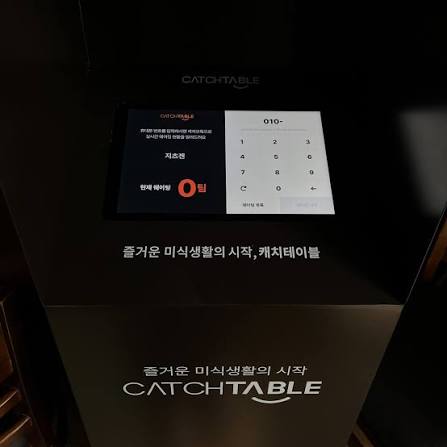
Popular restaurants, especially those with long lines, often use one of Korea’s major waiting systems, such as Catch Table or Tabling.
In some places, you’ll register your party using a machine near the entrance and receive a notification on your phone when your table is ready. Other restaurants still use a simple handwritten waiting list, where you write down your name and the number of people in your group.
If the restaurant uses a handwritten list, it’s best not to go too far away while you wait, since you may not receive a phone notification when it’s your turn.
Once you’re called in, the staff will usually ask how many people are in your group before showing you to a table that fits your party size.
One thing to keep in mind is that table availability can depend on the size of your group. For example, if you’re waiting with four people, a group of two that arrived later may sometimes be seated first if a smaller table becomes available.
Step 2. How to Order
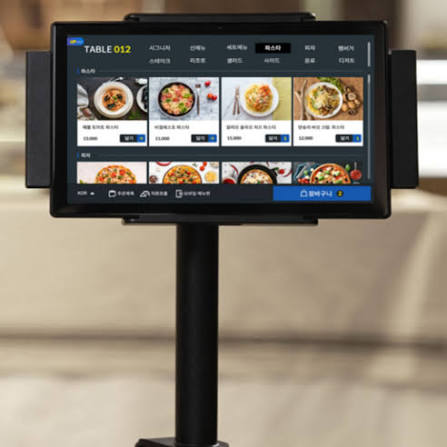
The traditional way to order at a restaurant in Korea is to look through the menu and tell a staff member what you’d like. This is still very common, but these days, many restaurants have tablets at each table that let you order without calling a server.
Some restaurants also use QR-code ordering. If you see a QR code on your table, simply scan it with your phone, open the menu, and place your order from there.
If the digital menu doesn’t have an English option, you can always ask a staff member for help or simply point to the item you want.
If communicating in Korean feels difficult, apps such as Papago or another translation app can be very useful. Having the name of the dish or a short sentence ready on your phone can make ordering much easier.
Step 3. What About Water and Side Dishes?
At many Korean restaurants, water and basic side dishes are provided with your meal. However, some places have a self-service area instead.
If that’s the case, there’s no need to worry. You can simply get your own water or pick up the side dishes you’d like from the self-service station.
Some restaurants may serve side dishes to your table the first time and then ask you to use the self-service bar if you want more.
The system can vary from one restaurant to another, so it’s always a good idea to look around for signs or check with the staff if you’re unsure.
Step 4. How to Call a Staff Member
There may be times during your meal when you need some help from the staff.
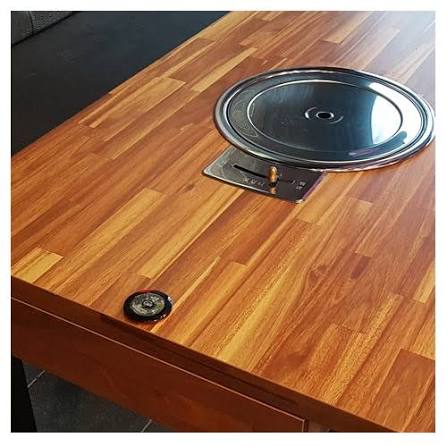
One convenient feature you’ll find at many restaurants in Korea is a call button on the table. It’s usually located near the edge or corner of the table. Press the button, and a staff member will come over, so you can simply tell them what you need.
At restaurants that use tablets or other digital ordering systems, there is often a button on the screen for calling a staff member as well.
Not every staff member will be comfortable speaking English, so if you need to ask for something specific, having a translated sentence ready on your phone can save time and make communication easier.
And if there’s no call button, you don’t necessarily need to shout. Making eye contact with a staff member or raising your hand slightly is usually enough to get their attention.
Step 5. How to Pay
At many restaurants in Korea, you pay at the counter on your way out after finishing your meal. Simply gather your belongings, head to the register, and pay before leaving.
However, the payment system can vary depending on the restaurant.
Some restaurants, especially in busy areas or places with lots of visitors, may ask you to pay when you order. Restaurants with table-ordering systems may also allow you to pay directly from the tablet or payment terminal at your table.
Before paying, it’s always a good idea to check your order and the total amount to make sure everything is correct.
I’ve also put together a separate guide on how to pay in Korea. If you’re not familiar with payment methods in Korea, it may be helpful to read that guide as well.
Step 6. What to Do After Your Meal — and What About Tipping?
At a regular restaurant, you usually don’t need to clear your own table. Once you’re finished, you can simply take your belongings, pay if you haven’t already, and leave the dishes on the table.
Food courts are different. If you eat at a department store or shopping mall food court, there will usually be a designated return area for trays and dishes. In some cases, you may need to return them to the restaurant where you ordered.
Another thing that surprises some first-time visitors is that tipping is generally not expected at restaurants in Korea. You normally just pay the amount shown on your bill.
Hotels and certain other businesses may include taxes or service charges separately, so it’s worth checking your receipt if the total is different from what you expected. If something doesn’t look right, asking about it before leaving is usually the easiest way to clear things up.
Local Tip.
- If you’re planning to visit a very popular restaurant, check whether it uses Catch Table. Some restaurants allow you to join the waiting list through the app before you arrive, which can help reduce your waiting time.
- Paying when you order can actually be convenient. Once you finish eating, you can simply leave and move on to your next destination without having to stop at the register.
- If the restaurant uses a QR code or tablet ordering system, deciding what you want before you sit down can save a little time. Once you’re seated, you can place your order right away.
- You don’t need to feel uncomfortable about calling a staff member loudly. If there’s no call button, raising your hand or making eye contact is often enough.
- If you’re eating with friends, it may be possible to split the bill across multiple cards. Just ask the staff before paying, as this can vary by restaurant.
If you have any questions about visiting or eating out in Korea, feel free to contact me by email through the contact page. I’ll do my best to help.
I hope this guide makes eating out in Korea a little easier and helps you enjoy your trip!