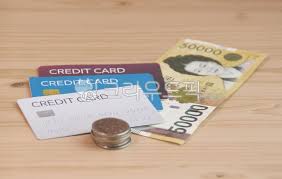
In Korea, you can get by almost anywhere with just a card.
I’ve lived in Korea for over 30 years, and I rarely use cash in my day-to-day life. In fact, there are very few situations where I actually need it.
Whether I’m eating at a restaurant, grabbing coffee, shopping, or enjoying a movie or other activities, I usually pay by card or use mobile payment. For things that require a reservation, I often pay online in advance, while other purchases are simply paid for on the spot.
Based on my own experience living in Korea, I’ll explain the different payment options, when you might still need cash, and what you should know before using your card here.
Step 1. Do You Really Need Cash in Korea?
The short answer is: not really.
As I mentioned earlier, even though I live in Korea, I honestly can’t remember the last time I used cash in my everyday life. Most of the time, a credit or debit card is all you need.
That said, I still recommend carrying a small amount of cash as a backup. Card payments or mobile payments like Apple Pay can occasionally fail, so having a little cash on hand can save you some trouble.
You may also come across a few places that don’t accept cards, especially when visiting traditional markets. These places do exist, but they’re becoming increasingly rare.
As someone who lives in Seoul, I’d also say this: if a place doesn’t accept cards, it’s worth checking whether it’s really somewhere you need to go out of your way to visit. Most popular restaurants, shops, and well-known places accept cards without any problem.
Some smaller businesses may also prefer bank transfers instead of card payments. This is common among locals, but it isn’t very practical for most international visitors without a Korean bank account.
So overall, you don’t need to carry much cash in Korea.
My recommendation is to keep just a small amount of cash with you for emergencies or the occasional place where your card doesn’t work.
Step 2. Can You Easily Use Foreign Cards in Korea?
For the most commonly used international cards, Visa and Mastercard, here’s a quick look at where you can generally use them:
| Place | Can You Use Visa / Mastercard? |
| Convenience stores | Yes |
| Restaurants | Yes |
| Cafes | Yes |
| Department stores | Yes |
| Hotels | Yes |
| Subway | Usually easier with T-money or another transit card |
| Traditional markets | Depends on the store; some may prefer cash |
Places you’re likely to visit every day—such as convenience stores, restaurants, and cafes—generally accept cards without any trouble.
For public transportation, however, it’s usually more convenient to use a card with a Korean transit function or a T-money card.
I’ve also put together a separate guide with more details on using public transportation and transit cards in Seoul, so it may be helpful to read that as well.
If you already have an idea of the places you plan to visit, it’s worth checking in advance whether they accept foreign cards. In most cases, though, once you’ve done a quick check, you shouldn’t have to worry much about payments during your trip.
Step 3. Paying at Restaurants, Convenience Stores, and Cafes Can Be a Little Different
For restaurants, you’ll usually be shown to a table first and order after looking through the menu. In many places, the bill or receipt is brought to your table, so you can check the total before paying. When you’re ready to leave, you can take the bill to the counter and pay there.
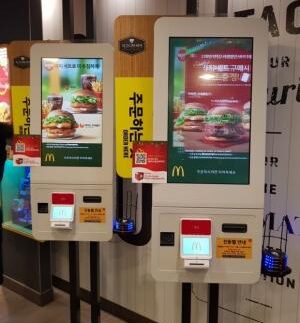
Cafes can work a little differently. Since the COVID-19 pandemic, self-service kiosks have become much more common, and many cafes now use them for ordering. The good thing about kiosks is that you can take your time choosing what you want. If there’s a line behind you, it can help to decide on your order first and then go through the payment process more quickly.
At convenience stores, the process is simple. Just pick up the items you want, bring them to the counter, and pay there.
Step 4. What Is T-money?
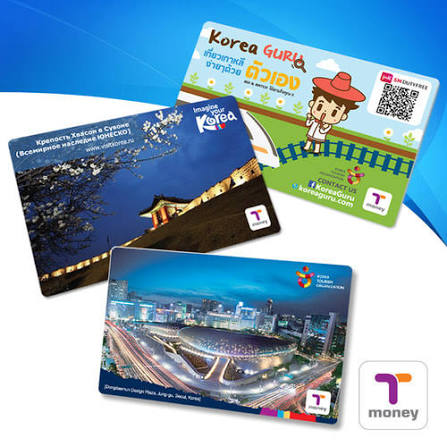
T-money is a rechargeable transportation card that’s widely used in Seoul and many other parts of Korea.
You can use it for some everyday purchases as well, but most people use it mainly for public transportation because it makes getting around much easier. It works on subways and buses, and it can also be used for taxis in many cases.
For travelers, it’s one of the simplest ways to use public transportation without having to buy a separate ticket every time.
Step 5. How to Use Mobile Payments in Korea
Depending on your phone and card, you may be able to use mobile payment options such as Apple Pay, Samsung Wallet, or QR-based payments in Korea.
When you’re ready to pay, simply let the staff know or show them which payment method you’d like to use. If the store accepts it, they’ll usually guide you through the payment without any trouble.
If you already use a mobile wallet at home, setting it up before your trip can be a convenient backup to carrying a physical card. Just keep in mind that not every store or payment terminal supports every type of mobile payment.
Step 6. What If Your Card Doesn’t Work?
If your card doesn’t work, there’s no need to panic.
If you’re using a self-service kiosk, try asking a staff member for help. In many cases, you can simply pay at the counter instead, which is usually the easiest option.
The first thing I recommend is trying another card. Sometimes one foreign card may not work with a particular terminal even though another one does.
If your other cards don’t work either, this is one of those situations where having a small amount of cash can come in handy.
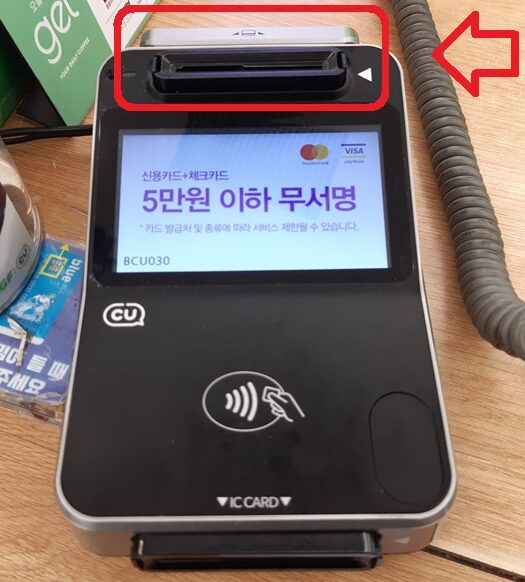
One more tip from someone who lives here: if you’re using a mobile payment method, some kiosks can be a little picky about where you hold your phone. Don’t rush—move your phone slowly toward the reader and give it a moment to recognize the payment.
Step 7. Using an ATM in Korea
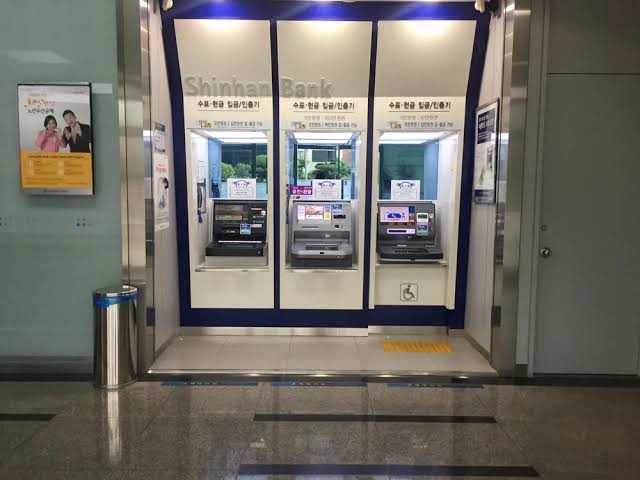
If you need cash during your trip, you can withdraw Korean won from an ATM.
One thing to keep in mind is that withdrawing money with a foreign card can come with fees. Depending on the ATM and your card issuer, you may be charged an ATM fee as well as an additional overseas withdrawal fee from your own bank.
Look for ATMs marked “Global ATM,” “International ATM,” or ones displaying international card logos such as Visa or Mastercard.
You’ll find ATMs at banks, subway stations, airports, and convenience stores. Convenience-store ATMs are easy to find and can be very useful in an emergency, but their fees can sometimes be higher than those at bank ATMs.
So if you have the choice, I recommend checking a bank or Global ATM first before using a convenience-store ATM.
Local Tip.
Local Payment Tips from Someone Who Lives in Korea
- Paying directly with a staff member is usually the easiest option.
If you’re unsure about a kiosk or payment terminal, paying at the counter is often much simpler. - If a kiosk doesn’t recognize your card or phone, don’t worry. Just try again.
Some kiosks can be a little slow or picky when reading foreign cards or mobile payments. - Choose the correct mobile payment option.
Some payment screens show separate options for Apple Pay, Samsung Wallet, or other payment methods, so make sure you select the one you’re actually using. - Wait until the payment screen is ready before inserting or tapping your card.
On some terminals, inserting your card too early may cause it not to be recognized properly. Wait until the machine asks for payment, then insert or tap your card. - Mobile ordering can be convenient at major cafe chains.
Cafes such as Starbucks and A Twosome Place offer mobile ordering through their apps. However, some apps may require a Korean account, phone number, or locally supported payment method, so international visitors may find the counter or kiosk easier. - QR-code ordering is becoming more common at restaurants.
Some restaurants let you scan a QR code at your table, browse the menu on your phone, and place your order without calling a staff member. This can be especially convenient if you want some extra time to look through the menu.
FAQ
Can I Use Visa or Mastercard in Korea?
Yes. Visa and Mastercard are widely accepted throughout Korea, especially at restaurants, cafes, convenience stores, hotels, department stores, and major shops.
However, some smaller businesses or stalls in traditional markets may still prefer cash or a Korean bank transfer. Carrying a small amount of cash as a backup can be helpful.
Do I Really Need Cash in Korea?
Not for most everyday situations.
You can pay by card almost everywhere, but it’s still a good idea to keep a small amount of cash with you for emergencies or the occasional place where your card doesn’t work.
Think of it as backup money rather than something you’ll use every day.
Can I Use My Credit Card for Public Transportation?
A regular foreign credit card usually isn’t the most convenient option for getting around on Korean public transportation.
For travelers, buying a T-money card is generally much easier. You can load money onto it and use it on subways, buses, and many taxis.
Is Apple Pay Easy to Use in Korea?
Apple Pay is accepted at an increasing number of stores in Korea, and it has become much easier to use than it was in the past.
However, it still isn’t accepted everywhere. If you’re not sure, look for the Apple Pay or contactless payment logo, or simply ask the staff before paying.
For that reason, I wouldn’t recommend relying on Apple Pay as your only payment method while traveling in Korea.
I wrote this guide hoping it helps make your trip to Korea a little easier. If you have any questions, feel free to contact me by email and I’ll be happy to help.
Everything in this article is based on my own experience living in Korea, and I’ve put together the information I think will be most useful for travelers.